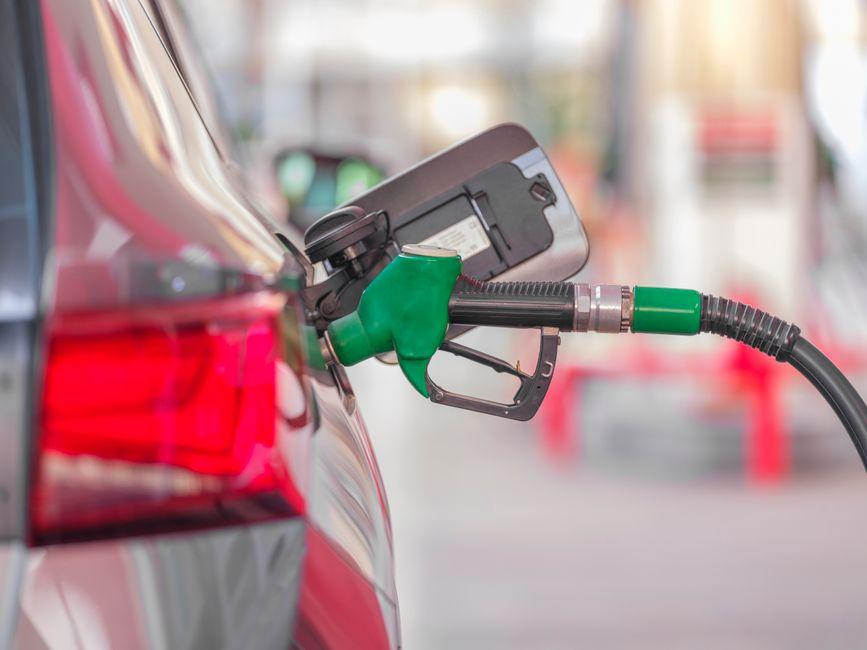
In a world where every gallon counts and every mile matters, choosing the right car can make a significant difference-not just in your wallet, but in your daily journey as well. As fuel prices fluctuate and environmental concerns grow, many drivers are seeking smarter ways to get more from their vehicles. Welcome to our friendly guide on finding the best car for fuel economy,where we’ll explore the options that help you save money,reduce your carbon footprint,and drive wiht confidence. Whether you’re a city commuter, a weekend explorer, or simply looking to make more economical choices, understanding what makes a vehicle fuel-efficient can empower you to make smarter, greener decisions on the road.
Table of Contents
- Unveiling the Most fuel-Efficient Technologies and Features
- Comparing Hybrid, Electric, and Diesel Options for Your Lifestyle
- Tips for Maximizing Fuel Savings and Extending Vehicle Longevity
- Q&A
- The Conclusion

Unveiling the Most Fuel-Efficient Technologies and Features
- For best performance, follow the manufacturer's recommendations in your vehicle owner’s manual.
- Cleans, restores, protects the entire fuel system (fuel injectors, carburetors, intake valves and combustion chambers)
- Restores: lost power, acceleration, lost fuel economy, and operation of the fuel gauge sensor
- Reduces: rough idle, engine surge, hesitation, and spark plus fouling
- Improves: cold start performance, and fuel stability for up to one year


- Mobil 1 Advanced Fuel Economy full-synthetic motor oil 0W-30 is low-viscosity to help improve fuel economy.*
- Utilizes Mobil 1’s signature Triple Action Formula to deliver outstanding engine performance, protection, and cleanliness
- Helps protect critical engine parts for up to 10,000 miles between oil changes,** controlling oxidation to prevent oil breakdown and maintaining excellent viscosity
- Meets ILSAC GF-6 standards to help provide low-speed pre-ignition (LSPI) and timing chain wear protection while keeping your engine clean
- Helps extend engine life by working to prevent damaging deposits and sludge buildup

- Restores fuel economy
- Stabilizes ethanol
- Maximizes horsepower
- Improves responsiveness
- For use in both gasoline and diesel engines
- For best performance, follow the manufacturer's recommendations in your vehicle owner’s manual
- Cleans, restores, protects the entire fuel system (fuel injectors, carburetors, intake valves and combustion chambers)
- Restores: lost power, acceleration, lost fuel economy, and operation of the fuel gauge sensor
- Reduces: rough idle, engine surge, hesitation, and spark plus fouling
- Improves: cold start performance, and fuel stability for up to one year

- Mobil 1 Advanced Fuel Economy full-synthetic motor oil 0W-20 is low-viscosity to help improve fuel economy.*
- Utilizes Mobil 1’s signature Triple Action Formula to deliver outstanding engine performance, protection, and cleanliness
- Helps protect critical engine parts for up to 10,000 miles between oil changesm,** controlling oxidation to prevent oil breakdown and maintaining excellent viscosity
- Meets ILSAC GF-6 standards to help provide low-speed pre-ignition (LSPI) and timing chain wear protection while keeping your engine clean
- Helps extend engine life by working to prevent damaging deposits and sludge buildup
Finding a car that truly saves fuel depends on understanding the latest technologies. Many modern vehicles use hybrid or fuel-saving systems to maximize efficiency. Features like stop-start engines, lightweight materials, and aerodynamic designs considerably reduce gas consumption. When shopping for the best car for fuel economy, look for models that combine these features for optimal savings.
Advanced engine designs and eco-friendly features are helping drivers go farther with less fuel. Vehicles equipped with hybrid technology, for example, switch seamlessly between gas and electric power. This not only cuts down on fuel use but also lowers emissions. Additionally, certain SUVs and sedans now include variable valve timing and regenerative braking to maximize mileage without sacrificing power.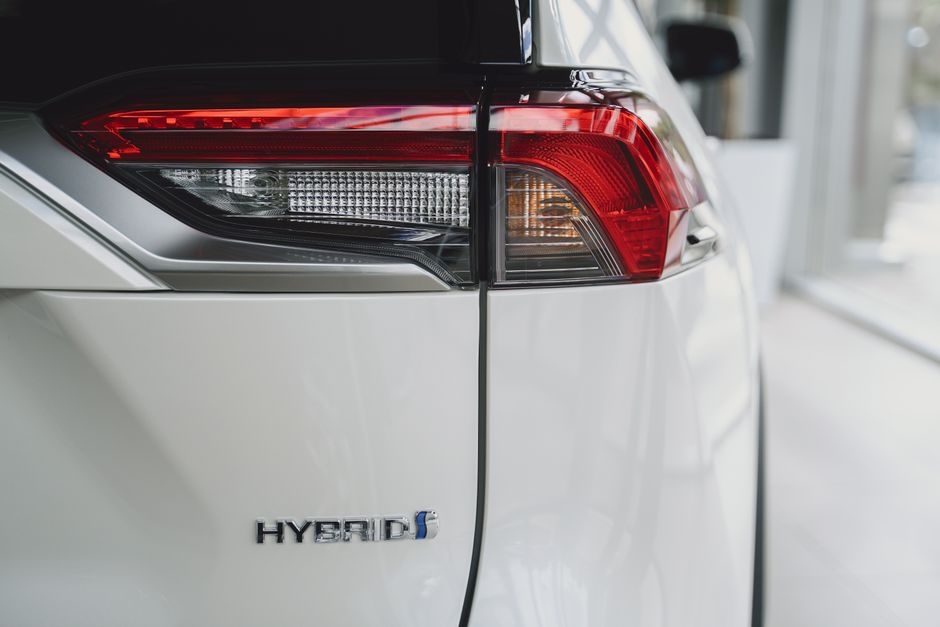
Comparing Hybrid, Electric, and Diesel Options for Your Lifestyle
- For best performance, follow the manufacturer's recommendations in your vehicle owner’s manual.
- Cleans, restores, protects the entire fuel system (fuel injectors, carburetors, intake valves and combustion chambers)
- Restores: lost power, acceleration, lost fuel economy, and operation of the fuel gauge sensor
- Reduces: rough idle, engine surge, hesitation, and spark plus fouling
- Improves: cold start performance, and fuel stability for up to one year
- Mobil 1 Advanced Fuel Economy full-synthetic motor oil 0W-30 is low-viscosity to help improve fuel economy.*
- Utilizes Mobil 1’s signature Triple Action Formula to deliver outstanding engine performance, protection, and cleanliness
- Helps protect critical engine parts for up to 10,000 miles between oil changes,** controlling oxidation to prevent oil breakdown and maintaining excellent viscosity
- Meets ILSAC GF-6 standards to help provide low-speed pre-ignition (LSPI) and timing chain wear protection while keeping your engine clean
- Helps extend engine life by working to prevent damaging deposits and sludge buildup
- Restores fuel economy
- Stabilizes ethanol
- Maximizes horsepower
- Improves responsiveness
- For use in both gasoline and diesel engines
- For best performance, follow the manufacturer's recommendations in your vehicle owner’s manual
- Cleans, restores, protects the entire fuel system (fuel injectors, carburetors, intake valves and combustion chambers)
- Restores: lost power, acceleration, lost fuel economy, and operation of the fuel gauge sensor
- Reduces: rough idle, engine surge, hesitation, and spark plus fouling
- Improves: cold start performance, and fuel stability for up to one year
- Mobil 1 Advanced Fuel Economy full-synthetic motor oil 0W-20 is low-viscosity to help improve fuel economy.*
- Utilizes Mobil 1’s signature Triple Action Formula to deliver outstanding engine performance, protection, and cleanliness
- Helps protect critical engine parts for up to 10,000 miles between oil changesm,** controlling oxidation to prevent oil breakdown and maintaining excellent viscosity
- Meets ILSAC GF-6 standards to help provide low-speed pre-ignition (LSPI) and timing chain wear protection while keeping your engine clean
- Helps extend engine life by working to prevent damaging deposits and sludge buildup
choosing the best type of car for fuel economy depends on your daily needs. Hybrids are great if you want something that saves gas but doesn’t rely solely on electric power. They switch seamlessly between the gas engine and electric motor, making city driving efficient. Electric cars, on the other hand, offer zero emissions and very low running costs, perfect if you mostly drive within city limits or short distances. Diesel vehicles tend to deliver better mileage on highways,which is helpful if you frequently travel long distances but want to keep fuel expenses down.
When deciding, think about your typical driving habits. Hybrids are very flexible and work well for mixed driving. Electric cars are ideal if you commute short distances and have access to charging stations.Diesel cars excel on long highway trips but may require more maintenance. Each option impacts your wallet differently based on fuel prices and local infrastructure. Ultimately, understanding your routine will help you choose the best car for fuel economy that fits your lifestyle comfortably.
Tips for Maximizing Fuel Savings and Extending Vehicle Longevity
- For best performance, follow the manufacturer's recommendations in your vehicle owner’s manual.
- Cleans, restores, protects the entire fuel system (fuel injectors, carburetors, intake valves and combustion chambers)
- Restores: lost power, acceleration, lost fuel economy, and operation of the fuel gauge sensor
- Reduces: rough idle, engine surge, hesitation, and spark plus fouling
- Improves: cold start performance, and fuel stability for up to one year
- Mobil 1 Advanced Fuel Economy full-synthetic motor oil 0W-30 is low-viscosity to help improve fuel economy.*
- Utilizes Mobil 1’s signature Triple Action Formula to deliver outstanding engine performance, protection, and cleanliness
- Helps protect critical engine parts for up to 10,000 miles between oil changes,** controlling oxidation to prevent oil breakdown and maintaining excellent viscosity
- Meets ILSAC GF-6 standards to help provide low-speed pre-ignition (LSPI) and timing chain wear protection while keeping your engine clean
- Helps extend engine life by working to prevent damaging deposits and sludge buildup
- Restores fuel economy
- Stabilizes ethanol
- Maximizes horsepower
- Improves responsiveness
- For use in both gasoline and diesel engines
- For best performance, follow the manufacturer's recommendations in your vehicle owner’s manual
- Cleans, restores, protects the entire fuel system (fuel injectors, carburetors, intake valves and combustion chambers)
- Restores: lost power, acceleration, lost fuel economy, and operation of the fuel gauge sensor
- Reduces: rough idle, engine surge, hesitation, and spark plus fouling
- Improves: cold start performance, and fuel stability for up to one year
- Mobil 1 Advanced Fuel Economy full-synthetic motor oil 0W-20 is low-viscosity to help improve fuel economy.*
- Utilizes Mobil 1’s signature Triple Action Formula to deliver outstanding engine performance, protection, and cleanliness
- Helps protect critical engine parts for up to 10,000 miles between oil changesm,** controlling oxidation to prevent oil breakdown and maintaining excellent viscosity
- Meets ILSAC GF-6 standards to help provide low-speed pre-ignition (LSPI) and timing chain wear protection while keeping your engine clean
- Helps extend engine life by working to prevent damaging deposits and sludge buildup
to get the most out of your fuel-efficient car, pay close attention to driving habits. Gentle acceleration and braking help conserve fuel and reduce wear on engine parts. Avoid aggressive maneuvers like rapid acceleration or sudden stops, which can drain your tank faster and stress your vehicle.Regularly maintaining proper tire pressure also plays a key role; under-inflated tires increase resistance and decrease fuel efficiency. Check your tire pressure monthly and keep it at the manufacturer’s recommended level for optimal performance and safety.
Another smart way to extend your vehicle’s life while saving money is staying on top of routine maintenance. Simple tasks like oil changes, air filter replacements, and coolant checks keep your engine running smoothly. Keeping your engine tuned ensures it operates efficiently, which can improve fuel economy over time.additionally, reducing excess weight and avoiding unnecessary idling can cut fuel costs and reduce overall vehicle wear, helping you get the best value from your fuel-efficient car.
Q&A
Q1: What factors should I consider when choosing a car with the best fuel economy?
A: When selecting a fuel-efficient vehicle, think about your typical daily driving habits, the type of trips you usually take, and the vehicle’s overall efficiency ratings. Features like engine size, vehicle weight, and aerodynamics can influence fuel consumption. Additionally, consider whether a hybrid or electric vehicle might better suit your lifestyle and the habitat.
Q2: are hybrid and electric cars significantly more fuel-efficient than conventional gasoline vehicles?
A: Yes, hybrid and electric cars often excel in fuel economy. Hybrids combine a gasoline engine with electric propulsion, reducing fuel usage during city driving. Electric vehicles (EVs) run solely on electricity, eliminating fuel costs altogether and offering the highest efficiency, especially if charged from renewable sources.
Q3: Which types of vehicles are generally the most fuel-efficient?
A: Compact cars, subcompacts, and certain sedans tend to have higher miles per gallon (MPG) ratings. Among them, hybrid models like the Toyota Prius or Honda Insight are renowned for their efficiency. Electric vehicles such as the Chevrolet bolt or Nissan Leaf often surpass traditional cars in efficiency, provided you have access to charging infrastructure.
Q4: how can driving habits affect a car’s fuel economy?
A: Your driving style plays a vital role. Accelerating gently, maintaining steady speeds, avoiding rapid braking, and minimizing idling can all improve fuel efficiency. Regular vehicle maintenance, such as keeping tires properly inflated and replacing air filters, also helps your car run more efficiently.
Q5: Is investing in a more fuel-efficient car cost-effective in the long run?
A: Generally, yes. Although fuel-efficient cars may have higher upfront costs, savings on fuel over time often offset the initial expense. Additionally, tax incentives and lower maintenance costs for certain eco-friendly vehicles can further enhance their economic benefits.
Q6: Are there any practical tips for maximizing fuel savings with my current vehicle?
A: Absolutely! Maintain proper tire pressure, avoid excessive idling, reduce excess weight in the car, plan your trips to avoid traffic, and fuel up during cooler parts of the day.Also, driving at or below the speed limit helps conserve fuel.
Q7: How do I find the most fuel-efficient car that fits my lifestyle?
A: Research environmentally friendly models rated highly for fuel economy within your preferred vehicle type. Use resources like the EPA fuel economy website, read customer reviews, and test drive options to see which model aligns with your driving needs and budget.
Q8: What’s the future of fuel-efficient vehicles?
A: Innovations like solid-state batteries, improved hybrid systems, and expanding electric vehicle infrastructure promise even greater efficiency and affordability. As technology advances, greener transportation options will become more accessible, helping drivers save money and reduce their carbon footprint.
Q9: Are there government incentives for choosing fuel-efficient or electric vehicles?
A: Many countries and regions offer tax credits, rebates, or incentives for purchasing qualifying fuel-efficient or electric vehicles.These benefits can significantly reduce the overall cost and encourage environmentally responsible driving choices.
Q10: What’s the takeaway for drivers seeking the best car for fuel economy?
A: The key is to balance your driving needs with eco-friendly options. Invest in a vehicle that suits your lifestyle, adopt smart driving habits, and stay informed about emerging technologies. Saving money on fuel doesn’t mean sacrificing comfort or convenience-it’s about driving smarter and cleaner.
The Conclusion
As you can see, choosing the right car for fuel economy isn’t just about saving pennies at the pump-it’s also a step towards a more sustainable and mindful way of driving. Whether you opt for a hybrid,an efficient compact,or a sleek diesel,making informed decisions can lead to significant savings and a lighter environmental footprint. Remember,smarter driving habits combined with the right vehicle choice can turn every journey into an opportunity to save money and reduce your impact on the planet. Here’s to cruising smarter, spending less, and driving into a greener future.